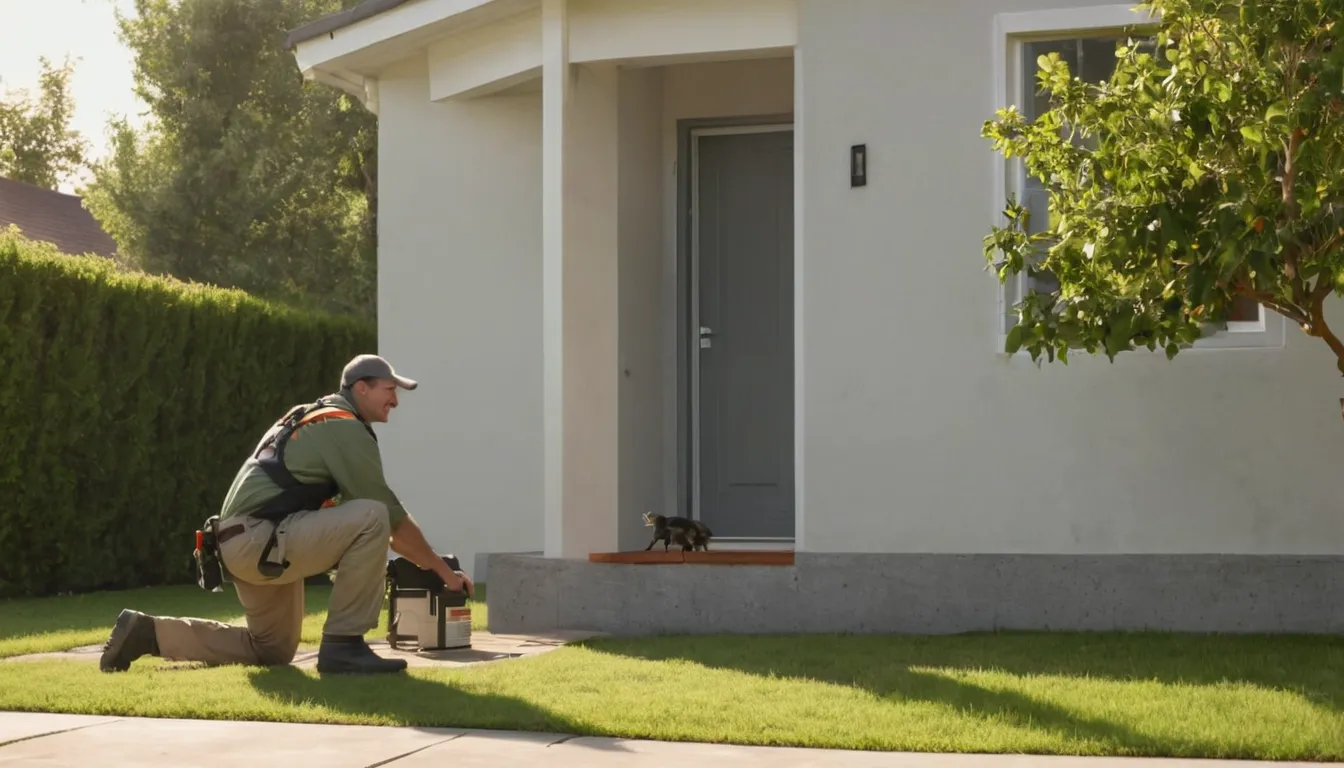
A pest problem rarely starts big. It starts with a few ants by the sink, a odd noise in the wall, or a small bite you cannot explain. This page explains what is usually going on, in plain words, so you can decide what to do next.
Shippingadvertising Pest Control is a referral service. We do not treat homes ourselves. We connect homeowners across the Yorkville area with independent providers in our network, who inspect, explain the price, and put it in writing. You can request an estimate with no obligation and take your time deciding.
Seeing Pests in Your Home? Start Here
Maybe you spotted a line of ants on the counter. Maybe you heard scratching in the wall at night. Either way, take a breath. Most pest problems can be treated, and the first step is simply learning what you have.
Think of it like a dripping faucet. You cannot fix the drip until you find where the water comes from. A local provider does that kind of looking first. If you searched for an exterminator near me, you are in the right place. Shippingadvertising Pest Control is a referral service, and the independent providers in our network do the actual work.
Why Small Signs Matter
Small signs, small bills. A pest problem grows like a snowball rolling down a wet hill. At first it is tiny. Then it picks up more with every turn.
Roaches and mice multiply quickly. A few can become many in a single season. Termites can chew for years before anyone notices. Treating early usually means fewer visits and simpler products, and that is why the price tends to stay lower.
Early Signs Worth Noticing
You do not need to be an expert. Just keep an eye out for these clues:
- Droppings that look like pepper or grains of rice in drawers and corners
- Gnaw marks on boxes, wires or baseboards
- Tiny dark spots on mattress seams, which can point to bed bugs
- Ants that return to the same spot every day
- Fine dust or hollow-sounding wood near a foundation
- Scratching, or a musty smell, in a wall or attic
If you see any of these, write down where and when. That note helps a provider a lot.
What Residential Pest Control Covers
Residential pest control is a bit like a checkup at the doctor. The provider looks, asks questions, finds the cause, and then picks a treatment that fits.
A visit often includes an inspection inside and out, treatment of the problem areas, and a talk about what let the pests in. Some providers also seal small gaps or suggest simple fixes, like drying a damp corner.
Common Pests and Why They Come Inside
Pests want the same things we do: food, water and a warm place. Our region's weather makes that easy for them to find.
Ants, Roaches, Spiders and Crickets
Hot, humid summers bring these pests in search of moisture. Spring flooding and damp basements add to it. Crickets and spiders often follow other insects indoors, so they point to a bigger supply of bugs.
Mice and Rats
Cold winters with deep frost push rodents into warm houses. Older frame homes, bungalows and ranch houses often have small gaps near pipes and foundations. A mouse can slip through a hole about the size of a dime.
Bed Bugs
Bed bugs hitch rides on luggage and used furniture. They are not a sign of a dirty home. Bed bug treatment is more involved than a spray, so ask a provider to explain each step.
What Drives the Price
Price follows the problem. Think of a car repair: a quick tune-up costs less than a new engine. Pest work is the same.
The main things that change a quote are the type of pest, how far it has spread, the size of your home, and how many visits are needed. A one-time ant treatment costs less than a bed bug job across several rooms.
Ask for it in writing. A written quote should list what is treated, how many visits are included, and what a follow-up costs. Then you can compare offers fairly.
One Visit or an Ongoing Plan?
A single treatment is like patching one pothole. It works well when the problem is new and limited. An ongoing plan is more like regular road care. Visits happen every few months to keep new pests from settling in.
Plans make sense if you have a wooded lot, an older house or repeat visitors like ants and spiders. Ask what each visit includes and how you can pause or cancel.
Questions About Product Safety
It is smart to ask about safety, especially with kids, pets or a garden. Think of it like reading a medicine label. The details matter.
Ask the provider which products they plan to use, where they will go, and how long to stay out of a room. Many providers can use targeted treatments, such as baits and gels, instead of broad sprays. Ask for the product label if you want to read it yourself.
Choosing a Provider
Pick a provider the way you would pick a mechanic. You want someone who explains things, not someone who rushes you.
- Ask whether they inspect before quoting
- Ask for the quote in writing
- Ask what happens if pests return
- Ask how they handle pets and children
The providers in our network are independent businesses. Check their licensing in your state yourself, and compare more than one estimate if you like.
Helping the Treatment Work
You play a small part, much like prepping a wall before paint. Clear clutter in the problem area, store food in sealed containers and fix drips. Wash bedding on high heat if bed bugs are a worry.
Also, keep gutters clear and sump pumps working, since damp basements attract pests. These steps make the provider's work last longer.
What's Included
Home Inspection
The provider checks inside and outside your home to find the pest, the entry points and the cause.
Targeted Treatment
Products are chosen for the pest you have, from baits and gels to perimeter sprays.
Entry Point Advice
Many providers point out gaps, damp spots and clutter that let pests in, so you can fix them.
Follow-Up Visits
Some jobs need a second look. Ask what is included and what a return visit costs.
Typical Pest Control Prices
These are typical U.S. ranges. Your price depends on the pest, the size of your home and how far the problem has spread. Always ask for a written quote.
| Item | Typical range | Notes |
|---|---|---|
| One-time general treatment | $100 – $300 | Common for a small, new problem |
| Ongoing plan (per year) | $300 – $700 | Visits every few months |
| Ant or roach treatment | $150 – $400 | Heavier infestations cost more |
| Spider or cricket exterior spray | $100 – $250 | Often done around the outside of the home |
| Bed bug treatment | $300 – $1,500+ | Rises with the number of rooms treated |
| Follow-up visit | $75 – $200 | Some providers include one in the quote |
How It Works
Describe What You See
Tell us the pest, where you saw it and how long it has been going on.
Get Matched With Providers
We connect you with an independent local provider in our network who handles that pest.
Review the Quote
The provider inspects and gives you a written price. Compare it and ask questions.
Schedule Your Treatment
If you agree, you book directly with the provider and prepare your home together.
Why Call Shippingadvertising Pest Control
Plain Explanations
Providers explain what is causing the problem and why a certain treatment fits your home.
Written Quotes
Ask for it in writing, so you know what is included before work starts.
Independent Providers
Providers in our network run their own businesses and set their own prices.
No Obligation
Requesting an estimate is just a first step. You decide what happens next.
Other Services
Need pest control help in Yorkville?
- Independent providers across the Yorkville area
- Plain-language price explanations
- Written quotes encouraged
- No obligation to hire
Pest Control Help FAQ
How much does pest control cost for a house?
A one-time treatment often runs about $100 to $300 in the U.S., while yearly plans commonly cost $300 to $700. Price follows the pest and the size of the problem, so get a written quote.
Is pest control safe for kids and pets?
Many treatments are used safely around families when directions are followed. Ask the provider which products they use, where they apply them and how long to keep kids and pets out of treated areas.
Do I need an ongoing plan or just one treatment?
A single treatment often fits a new, limited problem. A plan may suit older homes, damp basements or repeat pests. Ask what each visit includes and whether you can cancel the plan.
Reach a local provider
Tell us what you are seeing. Use the request form, or Request a callback to check provider availability. There is no obligation to hire anyone.
No obligation